
A 21st century home inspection combines traditional hands-on evaluation with modern technology to give home buyers, sellers, and property managers in the Bay Area a clear, documented picture of a property’s true condition. Whether you’re purchasing your first home in Alameda County or preparing a rental unit in Solano County for new tenants, understanding how a modern inspection works helps you make confident, informed decisions.
In addition to walking through a home’s visible condition, today’s inspectors use moisture meters, thermal imaging, and digital reporting tools to catch issues that older, paper-based inspections often missed. As a result, buyers and sellers get a more complete picture before closing or listing a property. This guide, informed by resources like the 21st Century Home Inspection service area overview, walks through what a comprehensive inspection covers, how the process works, and what to expect from your report.
What Is a 21st Century Home Inspection?
A 21st century home inspection is a non-invasive, systematic evaluation of a home’s major systems and structures, performed by a trained professional and documented with photos and digital reporting software. It typically covers the roof, foundation, attic, electrical panel, plumbing, HVAC, and structural elements like walls, floors, and stairs.
Unlike older inspection methods that relied purely on handwritten notes, modern inspectors use tablets, moisture meters, and sometimes thermal cameras to identify hidden problems. For example, a thermal scan can reveal a slow roof leak long before a water stain appears on the ceiling. According to the Wikipedia entry on home inspection, this practice became standardized in the United States during the late 20th century and has continued evolving with new tools and reporting standards ever since.
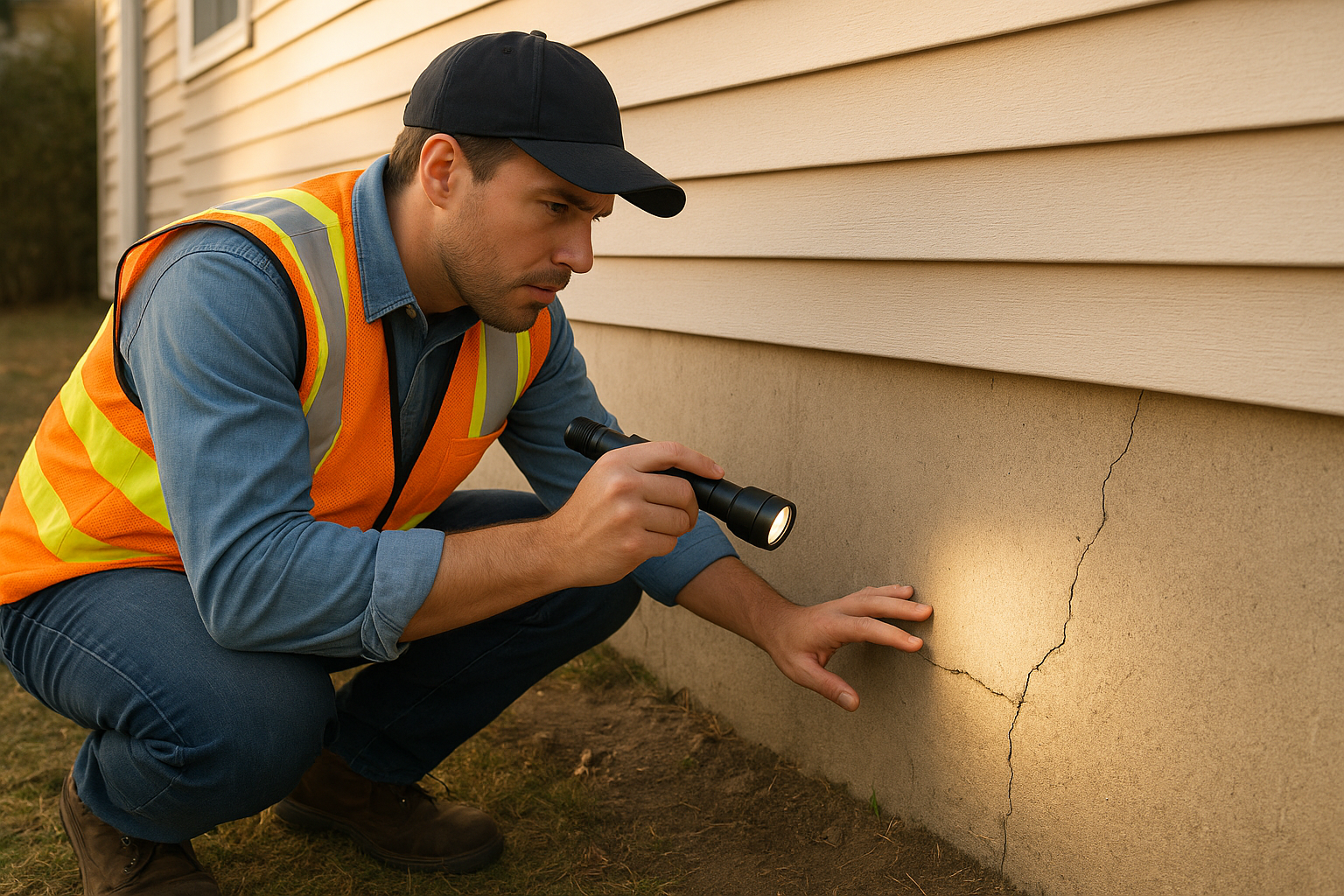
A thorough 21st century home inspection starts with the foundation and structural framing.
Why a Modern Home Inspection Matters for Buyers and Sellers
Buying or selling a home is one of the largest financial transactions most people make. Therefore, skipping a thorough property evaluation can be a costly mistake. Industry surveys from the National Association of Realtors consistently show that the large majority of home buyers order a professional inspection before finalizing a purchase, precisely because hidden defects can cost thousands of dollars to repair later.
For sellers, a pre-listing inspection offers a different advantage. Specifically, it identifies problems before buyers do, giving sellers time to make repairs or price the home accordingly. In contrast, discovering issues mid-escrow can delay closing or derail a sale entirely. Real estate agents representing either side often rely on inspection reports to guide negotiations, which is why many agents recommend reviewing resources like the real estate agents’ resource page for a deeper look at how inspections support smoother transactions.
What a Full-Service Property Inspection Covers
A comprehensive property inspection examines far more than just the roof and foundation. Below is a general breakdown of the major areas a qualified inspector typically reviews during a visit.
- Foundation (slab or crawlspace) and structural framing
- Roof covering, flashing, and attic ventilation
- Rain gutters, downspouts, and exterior drainage
- Exterior stucco, siding, and paint condition
- Electrical panels, switches, and outlets
- HVAC heating, cooling, and ventilation systems
- Plumbing fixtures, faucets, and the water heater
- Appliances, stairs, railings, walls, floors, and windows
Furthermore, specialized add-on services such as termite inspections are often recommended alongside a general inspection, particularly in older homes throughout the East Bay. You can review sample findings and walkthrough footage on the inspection videos page to see how these checks play out in real properties.
How the Home Inspection Process Works: Step-by-Step
Understanding the inspection process helps buyers and sellers know what to expect on inspection day. Here is a typical sequence from scheduling to final report.
- Schedule the inspection. Book a licensed inspector within the contingency window specified in the purchase agreement.
- Complete a pre-inspection walkthrough. The inspector confirms utilities are active and notes immediate safety concerns.
- Evaluate the exterior and structure. The roof, foundation, stucco, and gutters are reviewed for damage or water intrusion.
- Check interior systems. Electrical, plumbing, HVAC, and appliances are tested for safe, proper operation.
- Deliver the report. A photo-documented report arrives within 24 to 48 hours, outlining priorities and recommended next steps.
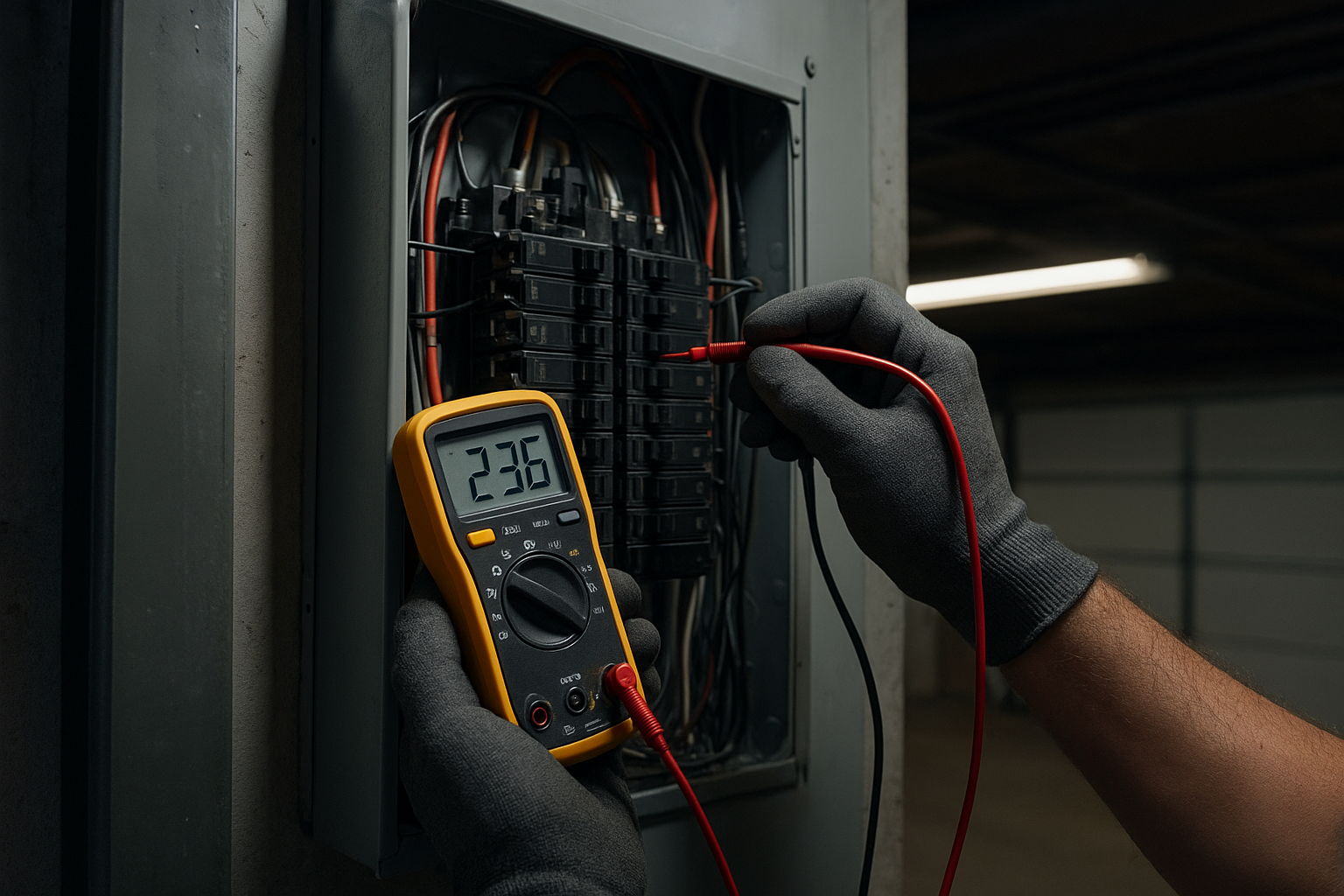
Testing the electrical panel is a core step in any comprehensive property inspection.
Choosing the Right Home Inspector in the Bay Area
Not all inspectors offer the same depth of service. Above all, look for a licensed professional with verifiable experience across the specific systems you’re concerned about, whether that’s an older foundation, a complex HVAC setup, or a rental property with multiple units.
Membership in a recognized trade group, such as the American Society of Home Inspectors (ASHI), is a useful signal of ongoing training and adherence to a standard of practice. Similarly, ask to see a sample report before booking so you know what level of detail and photo documentation to expect. Homeowners concerned about indoor air quality may also want to ask whether radon testing is available, a service the U.S. Environmental Protection Agency recommends for many residential properties.
21st Century Home Inspection serves Alameda, Contra Costa, Solano, and San Joaquin counties, covering single-family homes, rental units, and properties throughout the Greater Bay Area and East Bay. You can start by exploring the main service overview to see the full list of inspection types offered.
Buyer’s Inspection vs. Seller’s Pre-Listing Inspection
A buyer’s inspection and a seller’s pre-listing inspection serve different purposes, even though they cover similar ground. A buyer’s inspection happens after an offer is accepted, giving the buyer leverage to negotiate repairs, credits, or price adjustments based on what’s found.
In contrast, a seller’s pre-listing inspection happens before the home hits the market. Consequently, sellers can fix problems proactively, set a more accurate price, and avoid last-minute surprises that could derail escrow. Many agents recommend both: a pre-listing inspection for preparation, followed by the buyer’s own inspection for independent verification. Learn more about what’s included in a buyer-focused evaluation on the buyer’s inspection page.
Specialized Inspections: Termite, Foundation, Roof, and Rentals
Beyond the general home inspection, several specialized services address specific risks. Termite and pest inspections, for instance, require separate licensing because wood-destroying organisms can cause structural damage that a general inspector isn’t trained to diagnose.
Foundation inspections focus specifically on slab or crawlspace conditions, which matter greatly in older Bay Area neighborhoods with expansive soils. Roof and attic inspections, meanwhile, check for ventilation issues, leaks, and material wear that could shorten a roof’s lifespan. For property managers overseeing rental units, routine and move-in/move-out inspections help document the condition of each unit, reducing disputes over security deposits and supporting safety compliance. If you have specific questions about which inspection type fits your situation, the site’s FAQs page covers many common scenarios in more detail.
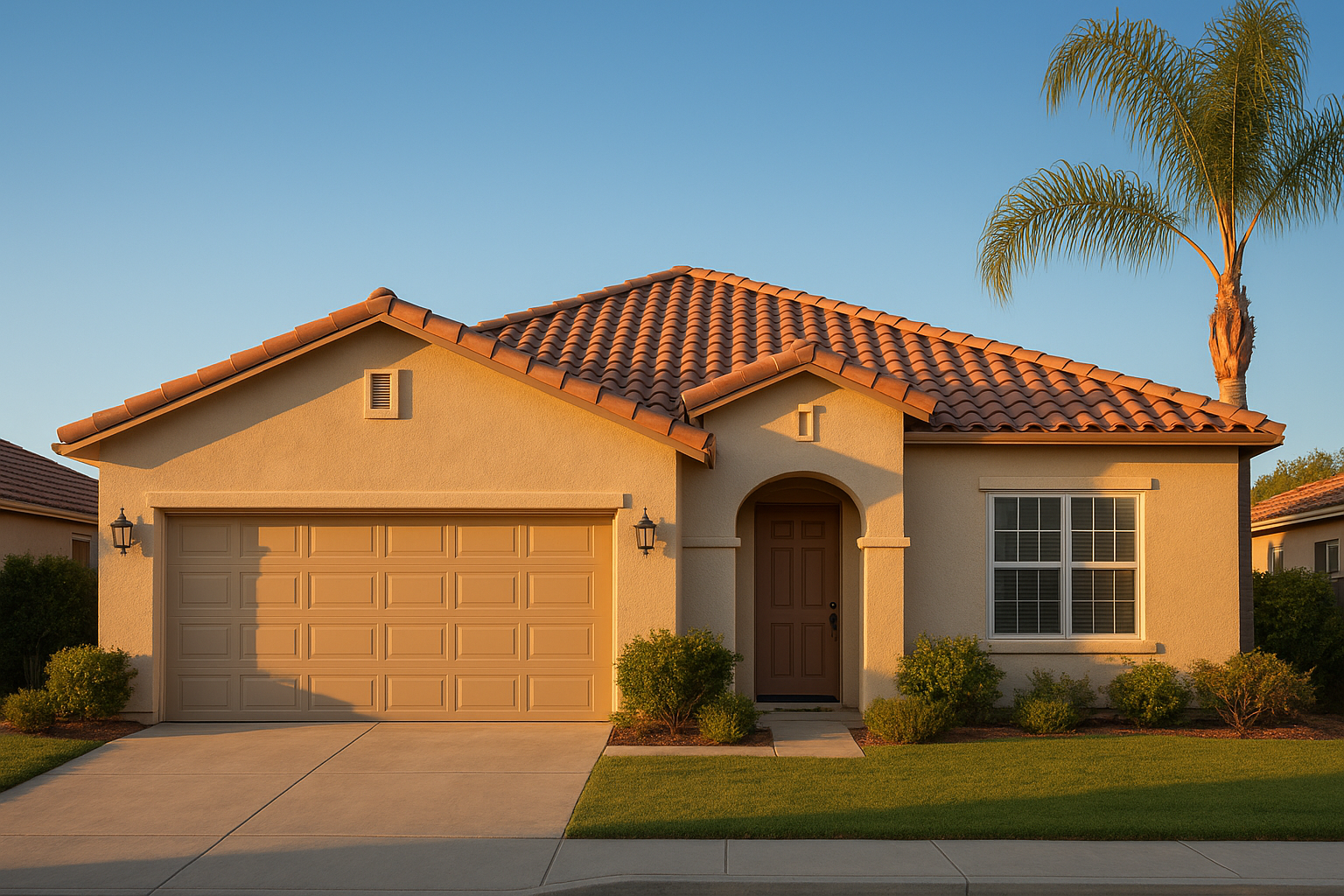
Roof, stucco, and drainage checks round out a complete property evaluation.
Frequently Asked Questions About 21st Century Home Inspection
What is a 21st century home inspection?
A 21st century home inspection is a modern, non-invasive visual evaluation of a property’s major systems and structures, including the roof, foundation, electrical, plumbing, and HVAC. It combines traditional hands-on assessment with digital reporting and photo documentation for buyers, sellers, and property managers.
How long does a home inspection take?
Most residential inspections take two to four hours, depending on the home’s size, age, and accessibility. Larger homes or properties with additional structures like garages and attics may take longer.
How much does a home inspection cost?
Home inspection costs vary by square footage, location, and the type of inspection requested. In the Bay Area, prices typically range based on property size and any add-on services like termite or foundation inspections.
What’s the difference between a buyer’s inspection and a seller’s inspection?
A buyer’s inspection happens after an offer is accepted and helps the buyer negotiate repairs or price. A seller’s pre-listing inspection happens before the home goes on the market so sellers can address issues in advance.
Why do I need a termite inspection separately?
Termite and pest inspections require specialized licensing and techniques that differ from a general home inspection. Many lenders and escrow companies require a separate wood-destroying organism report.
What common mistakes do homeowners make before an inspection?
Common mistakes include blocking access to the electrical panel, attic, or crawlspace, and failing to turn on pilot lights or utilities. These obstacles can prevent the inspector from completing a full evaluation.
Can a home fail an inspection?
A home inspection does not result in a pass or fail grade. Instead, the inspector documents the condition of each system so buyers and sellers can make informed decisions.
How do I choose a qualified home inspector?
Look for a licensed inspector with experience in your area, verifiable reviews, and membership in a recognized trade association such as ASHI. Ask for a sample report before booking.
What should I do if the inspection finds problems?
Review the report with your real estate agent and prioritize safety issues, like electrical or structural defects, first. You can then negotiate repairs, credits, or a price adjustment with the seller.
Do I need to be present during the inspection?
While not required, attending the inspection is highly recommended. It gives buyers a chance to ask questions and see issues firsthand rather than relying solely on the written report.
How often should rental properties be inspected?
Rental properties generally benefit from periodic inspections at move-in, move-out, and at least annually for routine maintenance checks. This helps landlords catch safety and compliance issues early.
What areas does 21st Century Home Inspection serve?
21st Century Home Inspection serves Alameda, Contra Costa, Solano, and San Joaquin counties, along with the broader Greater Bay Area and East Bay region of California.
What tools do modern inspectors use?
Modern inspectors often use moisture meters, thermal imaging cameras, and digital reporting software to document findings. These tools help detect hidden issues like leaks or insulation gaps that aren’t visible to the eye.
Is a home inspection required by law?
A home inspection is not legally required in California, but it is strongly recommended and often required by mortgage lenders. Sellers are legally required to disclose known defects regardless of inspection.
Final Thoughts on Choosing a Modern Inspection Service
In summary, a 21st century home inspection gives buyers, sellers, and property managers the clear, documented information they need before making a major decision. From foundation and roof checks to electrical, plumbing, and HVAC reviews, a thorough inspection protects your investment and reduces surprises down the road.
Ultimately, whether you’re buying your first home in the East Bay, preparing a listing, or managing rental units across the Bay Area, scheduling a professional inspection is one of the simplest ways to move forward with confidence. For a closer look at available services and coverage areas, visit 21st Century Home Inspection and take the next step toward a safer, better-informed property decision.


One Response