
A water heater inspection is a focused evaluation of your home’s water heating system, covering the tank, valves, venting, and connections to confirm safe, reliable operation. Whether you’re buying a home in Alameda County or preparing to list a property in the East Bay, this check helps uncover hidden risks before they turn into costly surprises. For home buyers, sellers, real estate agents, and property managers across the Greater Bay Area, understanding what this process covers protects both safety and resale value. In this guide, we’ll walk through what the inspection includes, how often it should happen, and what to expect during the visit.
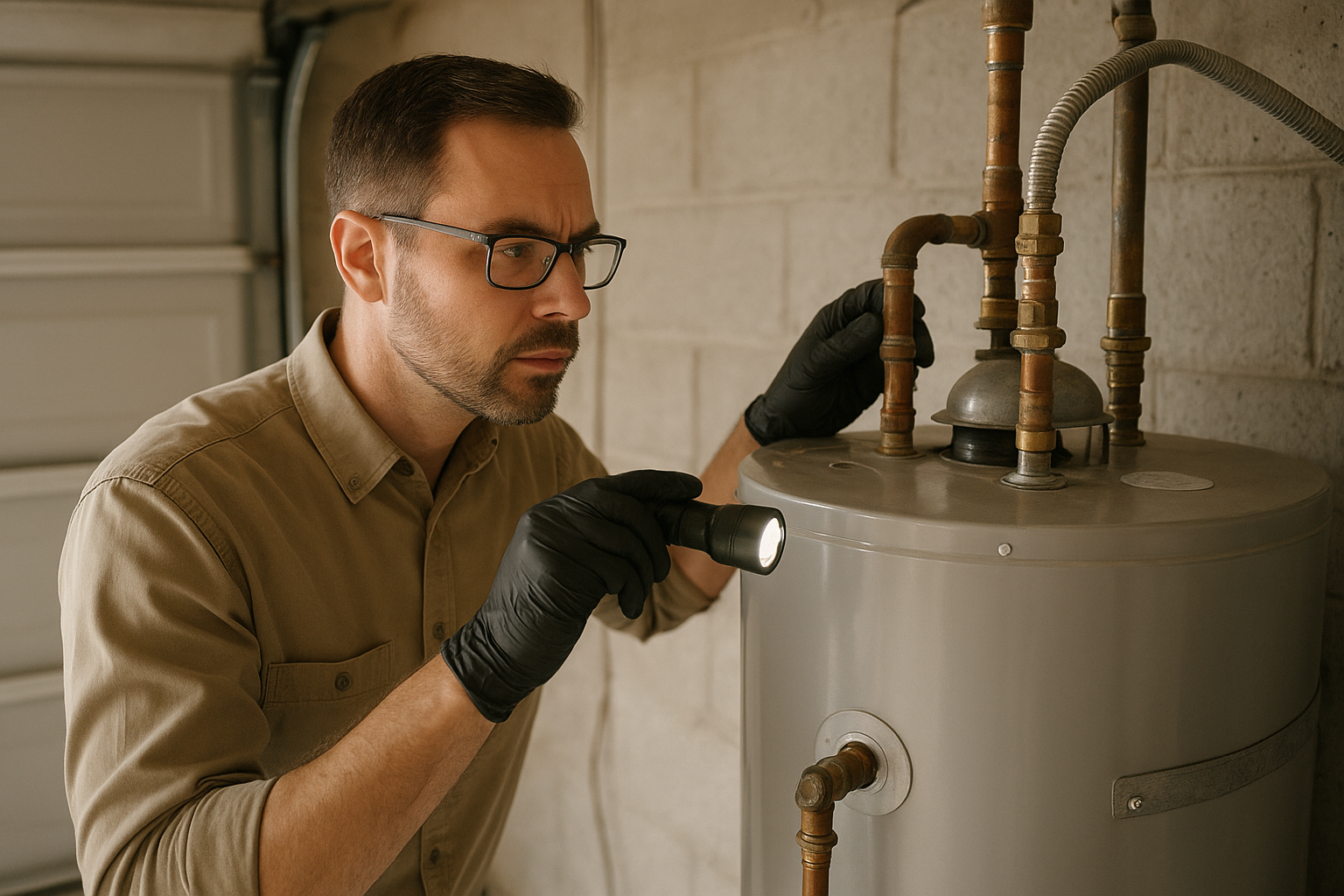
A thorough water heater inspection examines the tank, valves, and surrounding installation for safety and code compliance.
What Is a Water Heater Inspection?
A water heater inspection is a systematic check of a home’s water heating equipment, performed by a trained inspector. It examines the tank’s condition, connections, safety devices, and surrounding area for leaks, corrosion, or code violations. In short, the goal is to confirm the unit works safely and to flag problems before they cause water damage or injury.
Specifically, this inspection is typically one component of a broader home evaluation, such as a buyer’s inspection, rather than a separate service. However, it can also be requested on its own when a homeowner suspects an issue or is simply due for routine upkeep.
Why a Water Heater Checkup Matters
Water heaters are among the most overlooked systems in a home, yet they carry real safety and financial stakes. According to the U.S. Department of Energy, tank-style units typically last 8 to 12 years, while tankless models can last 15 to 20 years with proper care. Consequently, an aging unit nearing the end of that range is a common red flag during a sale.
In addition, the U.S. Consumer Product Safety Commission has documented scald and pressure-related incidents tied to malfunctioning relief valves, underscoring why safety devices deserve close attention. As a result, a water heater checkup is not just about avoiding leaks; it is also about preventing serious injury.
What Does a Water Heater Inspection Include?
A thorough inspection follows a consistent sequence so nothing gets missed. Below is the typical process an inspector uses:
- Visual exterior assessment: The inspector checks the tank for rust, corrosion, bulging, or moisture, and records the manufacture date to estimate remaining service life.
- TPR valve test: The temperature-pressure relief valve and discharge pipe are checked for correct installation and signs of past leakage.
- Venting review: For gas units, the flue and venting are examined for proper slope, connection, and clearance to ensure safe exhaust.
- Connections and shutoff valves: Supply lines and fittings are checked for drips, corrosion, or loose connections.
- Installation and strapping: The inspector confirms adequate clearance, a drip pan where required, and proper seismic strapping.
- Electrical or gas connections: Wiring and disconnects on electric units, or gas line connections on gas units, are reviewed for safety.
Common Water Heater Problems Inspectors Find
Frequently, inspectors encounter corrosion on fittings, sediment buildup inside the tank, and a failing TPR valve. Similarly, improper venting and missing earthquake strapping show up often in California homes, where seismic bracing is required by code. Leaking supply lines and units well past their expected lifespan round out the most common findings.
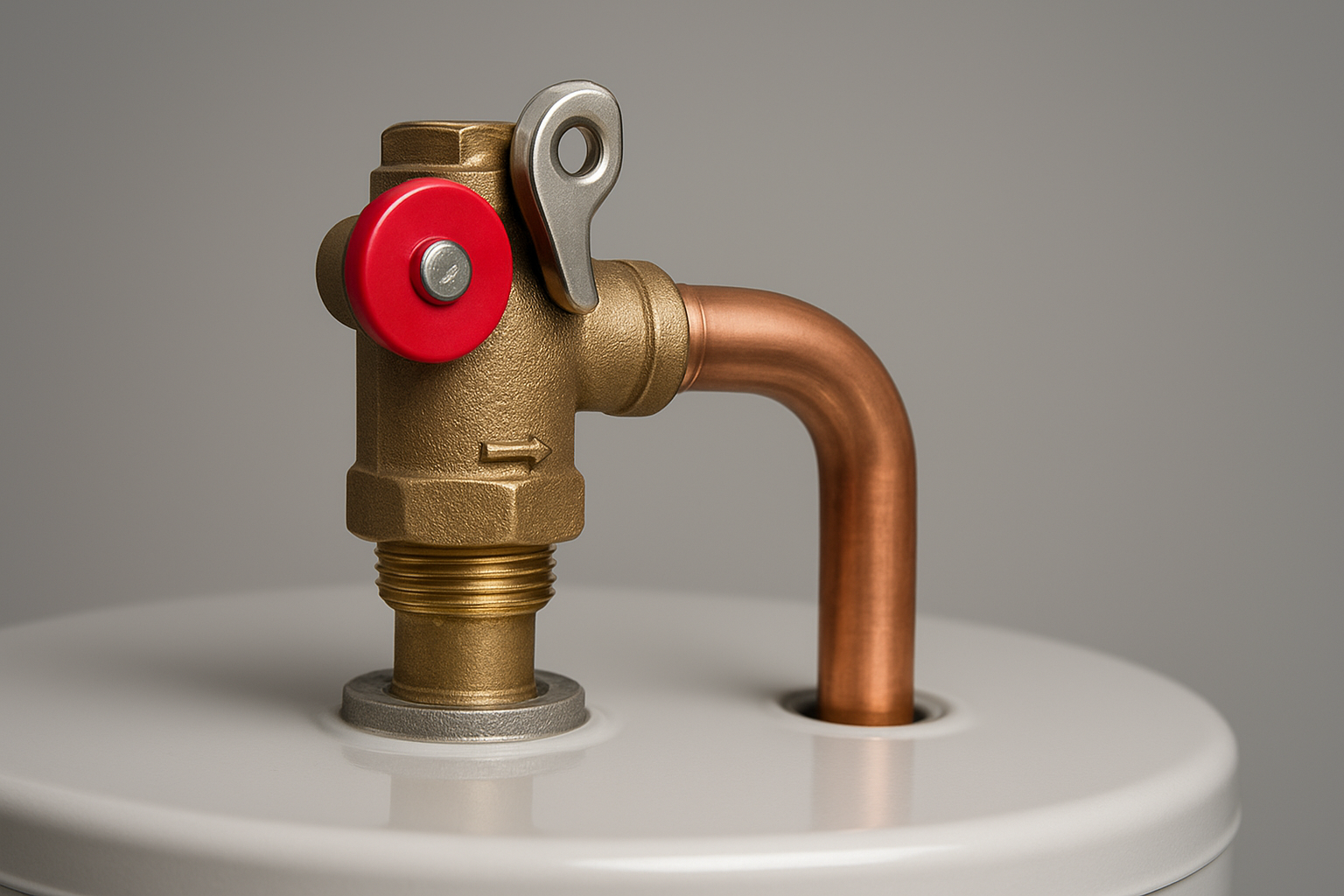
The temperature-pressure relief valve is one of the most important safety components reviewed in a water heater inspection.
How Often Should You Schedule a Water Heater Evaluation?
For homeowners, an annual water heater evaluation is a reasonable baseline, paired with manual flushing to reduce sediment buildup. For real estate transactions, however, timing is different: buyers should request it during their pre-purchase inspection, and sellers benefit from addressing issues before listing.
Property managers overseeing rental units face a third scenario. Because tenants change and usage patterns vary, scheduling an inspection during rental property inspections at move-in, move-out, and periodic intervals helps document condition and catch hazards early, protecting both tenant safety and the owner’s investment.
Water Heater Inspection Checklist for Buyers and Sellers
For buyers, a few questions matter most: How old is the unit? Are there visible leaks or rust? Is the TPR valve functioning, and is strapping present? Reviewing maintenance records, when available, also helps gauge how well the system has been cared for.
For sellers, meanwhile, a pre-listing inspection can prevent surprises later. Real estate agents often advise clients to resolve minor plumbing issues before buyers’ inspectors arrive, since unresolved water heater problems frequently lead to repair credits or renegotiation. Agents working with clients on either side of a transaction can find additional guidance at the real estate agents’ corner.
Water Heater Safety and Code Compliance
California’s building and plumbing codes require water heaters to be braced or strapped to resist movement during an earthquake, a detail inspectors check closely in Bay Area homes. In addition, the Uniform Plumbing Code mandates a functioning TPR valve on every water heater, since this device prevents dangerous pressure buildup.
Organizations such as the International Association of Certified Home Inspectors publish detailed standards that guide how these components should be evaluated. Therefore, working with an inspector familiar with both general safety standards and local California requirements offers the most reliable assessment.
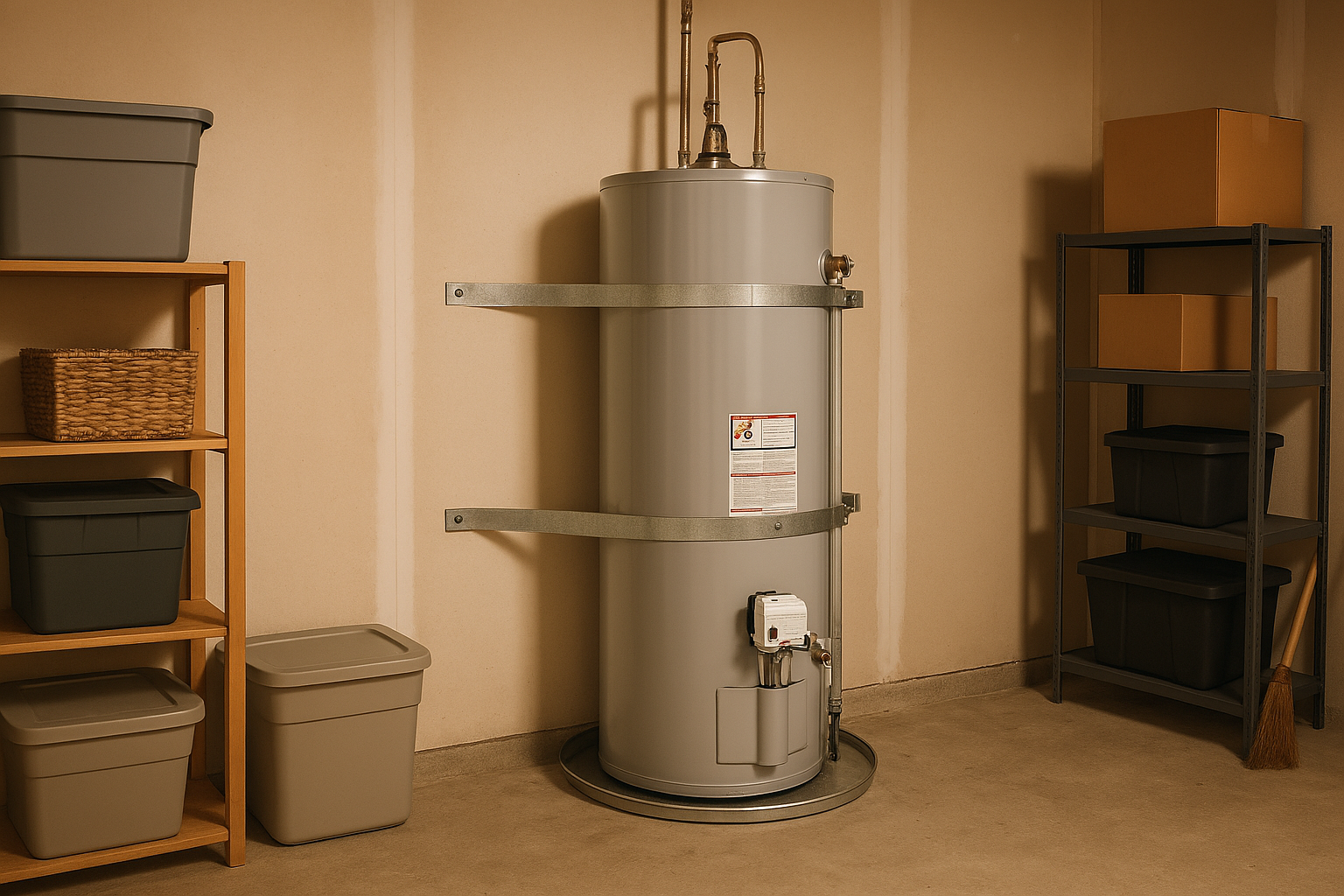
Seismic strapping is a code requirement that inspectors verify as part of every California water heater inspection.
Choosing a Professional for Your Water Heater Inspection
Because plumbing and safety components interact with the rest of the home, it helps to choose an inspector who evaluates the water heater as part of a comprehensive review rather than in isolation. Inspectors serving Alameda, Contra Costa, Solano, and San Joaquin counties typically fold water heater review into plumbing, electrical, and structural assessments during a single visit.
For example, a provider like 21st Century Home Inspection covers major home systems, including water heaters, foundations, roofs, attics, and electrical panels, across the Greater Bay Area. This approach gives buyers, sellers, agents, and property managers a complete picture rather than a fragmented one. You can also browse common questions on the FAQs page before booking a visit.
Frequently Asked Questions About Water Heater Inspection
What is a water heater inspection?
A water heater inspection is a visual and functional check of the tank, valves, venting, and connections to confirm the unit operates safely and efficiently. It is typically performed as part of a broader home or plumbing inspection.
How long does a water heater inspection take?
Most water heater inspections take 10 to 20 minutes when performed as part of a full home inspection. A standalone, more detailed evaluation may take longer if access is difficult or problems are found.
Why does a water heater inspection matter when buying a home?
A water heater inspection helps buyers understand the unit’s remaining lifespan and spot leaks, corrosion, or missing safety devices before closing. This can prevent unexpected replacement costs shortly after moving in.
How much does a professional water heater inspection cost?
Water heater inspections are usually included in the cost of a standard buyer’s or seller’s home inspection rather than billed separately. Standalone plumbing-focused inspections vary by region but often range from $75 to $200.
What is the average lifespan of a water heater?
Tank-style water heaters typically last 8 to 12 years, according to the U.S. Department of Energy. Tankless units can last longer, often 15 to 20 years, with proper maintenance.
What do inspectors check during a water heater inspection?
Inspectors check the tank exterior for rust or leaks, test the temperature-pressure relief valve, examine venting and connections, and confirm the unit is properly strapped and located. They also note the installation date and any code concerns.
Is earthquake strapping required for water heaters in California?
Yes, California building and plumbing codes require water heaters to be braced or strapped to resist movement during an earthquake. Inspectors flag missing or improper strapping as a common safety deficiency.
What is the difference between a water heater inspection and routine maintenance?
An inspection is a one-time visual and functional assessment used to identify existing problems, often during a real estate transaction. Routine maintenance involves ongoing tasks like flushing sediment or testing the relief valve to extend the unit’s life.
How often should a water heater be inspected?
Homeowners should have a water heater checked annually, while buyers and sellers should include it in a pre-purchase or pre-listing inspection. Rental properties benefit from inspection at every tenant turnover.
What are common water heater problems found during inspection?
Common issues include corrosion on fittings, sediment buildup, a failing TPR valve, improper venting, and missing seismic strapping. Leaking supply lines and outdated units near the end of their expected lifespan are also frequent findings.
Can a faulty water heater affect a home sale?
Yes, a faulty or outdated water heater identified during a buyer’s inspection can lead to repair requests, price negotiations, or delayed closing. Sellers who address issues through a pre-listing inspection often avoid these last-minute complications.
Do property managers need water heater inspections for rental units?
Property managers benefit from water heater inspections during move-in, move-out, and periodic rental property inspections to document condition and catch safety hazards early. This protects both tenant safety and the property owner’s investment.
What mistakes should homeowners avoid with water heaters?
Common mistakes include ignoring rust or small leaks, skipping annual flushing, and failing to test the TPR valve. Overlooking missing strapping in earthquake-prone areas like California is another frequent oversight.
Final Thoughts
In the end, a water heater inspection is a small part of a home inspection that carries outsized importance for safety and budgeting. Whether you’re a buyer weighing a purchase, a seller preparing to list, an agent guiding a client, or a property manager maintaining a rental, knowing the unit’s condition helps everyone make informed decisions. For further reading on related mechanical systems, Wikipedia’s overview of water heating offers useful background. Ultimately, scheduling a professional water heater inspection before a transaction, or simply once a year as routine upkeep, is one of the most cost-effective ways to protect a home and the people living in it.



