
A structural wall inspection is a focused evaluation of a home’s load-bearing and non-load-bearing walls to identify cracks, bowing, leaning, or moisture damage that could point to deeper foundation or framing problems. Unlike a quick visual glance, it involves measuring crack width, checking wall plumb, and tracing warning signs back to their root cause. For buyers, sellers, and property managers across the East Bay and beyond, this type of inspection can mean the difference between a minor fix and a five-figure repair bill.
Direct answer: A structural wall inspection checks a home’s walls for cracks, bowing, or shifts caused by foundation movement, settling, or water intrusion. Inspectors measure the damage, trace its likely cause, and recommend whether a licensed structural engineer should get involved.
What Is a Structural Wall Inspection?
A structural wall inspection is, simply put, a close examination of a wall’s ability to carry load and resist movement over time. Consequently, it goes beyond spotting a crack and asks whether that crack signals active foundation shift, soil settlement, or moisture damage behind the surface.
In particular, this inspection differs from a cosmetic repair assessment. For example, a painter might see a crack and simply patch it, while a trained inspector measures its width, tracks its direction, and checks whether doors or windows nearby have started sticking. As a result, homeowners get a clearer picture of whether they are dealing with a surface blemish or an early warning sign.
Why a Load-Bearing Wall Assessment Matters
Load-bearing walls carry the weight of the roof, upper floors, and structural framing down to the foundation. Therefore, damage to these walls is far more serious than cracking in a decorative partition wall that holds no weight.
A thorough load-bearing wall assessment helps distinguish between the two. Furthermore, it protects buyers from inheriting a hidden liability and helps sellers address issues before they derail a sale. According to industry repair-cost data compiled by contractors nationwide, structural wall and foundation repairs can range from roughly $4,000 for minor crack injection to more than $20,000 for wall straightening or foundation underpinning. That gap alone explains why early detection saves money.
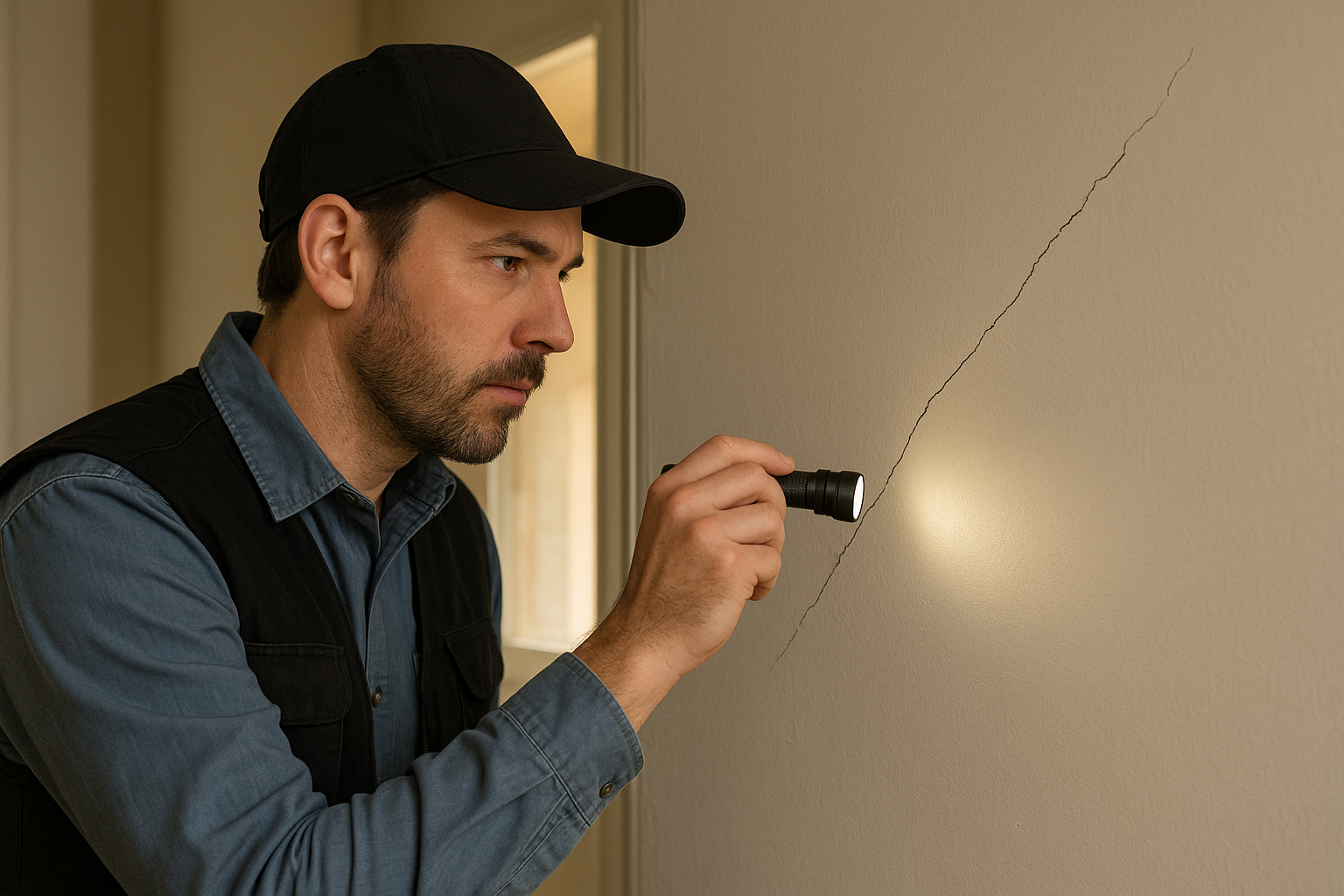
A close inspection of wall cracks is a core part of any structural wall inspection.
Warning Signs of Wall Structure Problems
Certain clues tend to show up again and again when wall structure problems are developing. In particular, inspectors watch for:
- Diagonal or stair-step cracks running through brick, block, or stucco
- Doors and windows that suddenly stick or no longer latch properly
- Visible leaning, bowing, or bulging along an exterior wall
- Gaps forming between walls and ceilings or baseboards
- Musty odors or staining that suggest moisture behind the wall surface
However, not every crack is a cause for alarm. Hairline cracks from drywall shrinkage are common and usually cosmetic. In contrast, cracks wider than a quarter inch, or ones that keep growing, deserve a closer look.
How a Structural Evaluation Is Performed
A professional structural evaluation follows a consistent process so nothing gets overlooked. Below is the typical sequence an inspector follows during a visit.
- Exterior walk-around: The inspector circles the entire home, scanning foundation walls and siding for cracks, bowing, or separation near corners and window openings.
- Interior wall and ceiling check: Drywall, plaster, and ceiling joints are examined for cracking patterns, nail pops, and gaps that hint at movement.
- Crack and gap measurement: Using a crack gauge and level, the inspector records width, direction, and plumb of any suspicious cracks.
- Moisture and foundation correlation: Moisture readings near affected walls are compared with crawlspace or basement conditions to find a possible link.
- Documentation and reporting: Findings are photographed and compiled into a written report, with a referral to a structural engineer when warranted.
Specifically, this methodical approach is why a qualified inspector is worth the investment rather than relying on a quick personal look-through.
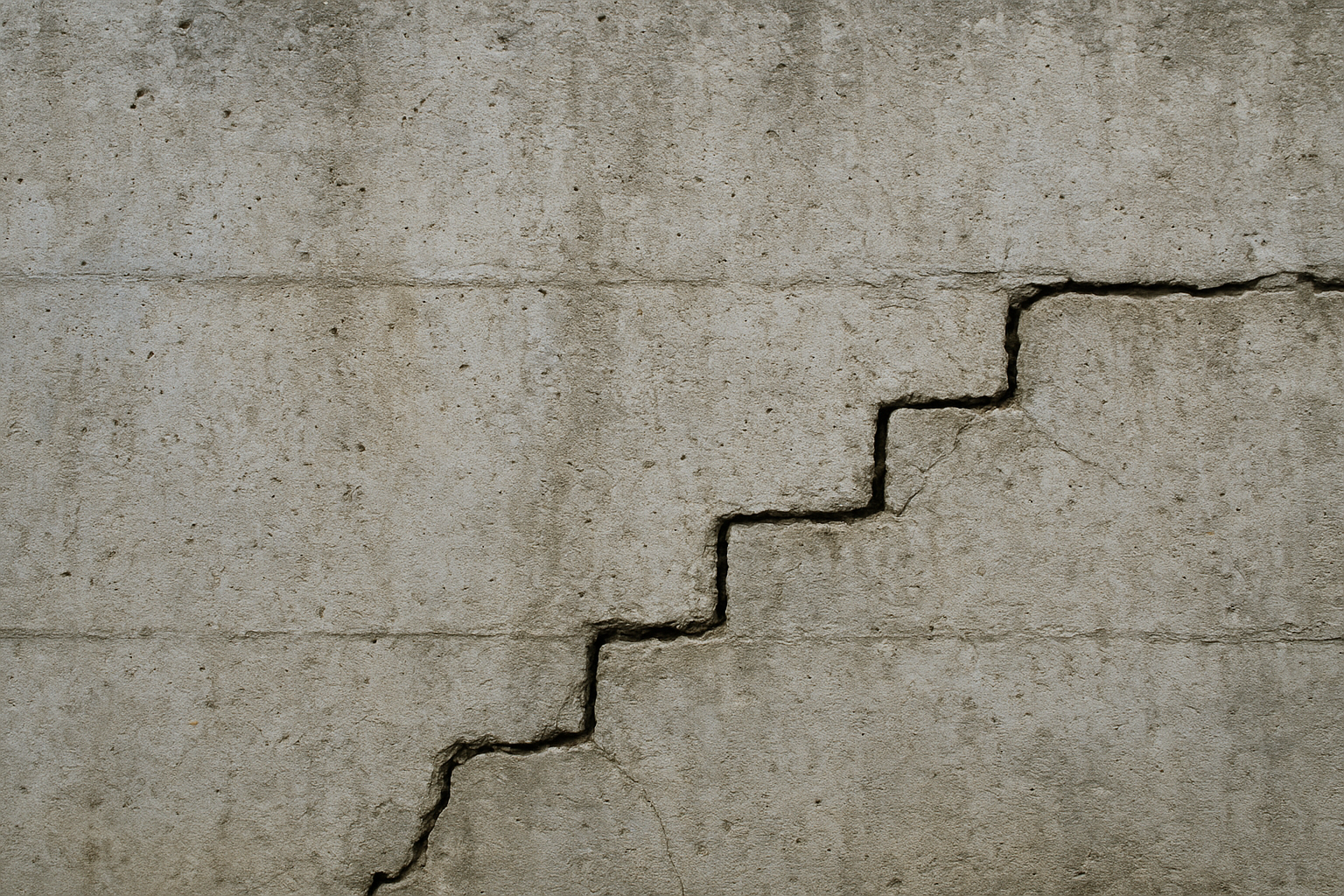
Stair-step cracking like this often prompts a deeper structural wall inspection.
Structural Wall Inspection vs. General Home Inspection
A general home inspection, like the one described on our buyer’s inspection page, covers the whole property: roof, electrical, plumbing, appliances, and more. In contrast, a structural wall inspection zooms in specifically on framing, load paths, and wall-related movement.
In many cases, a general inspector flags a concerning crack and then recommends the more specialized follow-up. As a result, buyers and agents working together, such as those referenced in our real estate agents corner, often schedule both inspections close together to avoid delays in escrow.
Cost and Timing of a Foundation Wall Inspection
A standalone foundation wall inspection generally costs between $300 and $700, depending on home size, accessibility, and regional rates across Alameda, Contra Costa, Solano, and San Joaquin counties. Most visits take one to three hours, though homes with multiple crack sites may need a follow-up.
Similarly, the U.S. Department of Housing and Urban Development notes that unresolved structural defects are among the more disputed issues after a home sale closes. Therefore, catching problems early, before escrow closes, protects both buyer and seller from costly surprises later.
When Should You Schedule One?
Above all, timing matters. Buyers should request a structural wall inspection during the due-diligence period, ideally before an open house offer turns into a binding contract. Sellers, meanwhile, often order a pre-listing version to fix issues before buyers ever walk through the door.
Property managers overseeing rental units should also build this into routine upkeep. Our guide to rental property inspections explains how periodic structural checks every two to three years, or sooner after major storms or seismic activity, help avoid tenant complaints and expensive emergency repairs. For additional background on home evaluation standards, the American Society of Home Inspectors and resources from Wikipedia’s structural engineering overview are worth a read. You can also review service details directly at 21st Century Home Inspection.
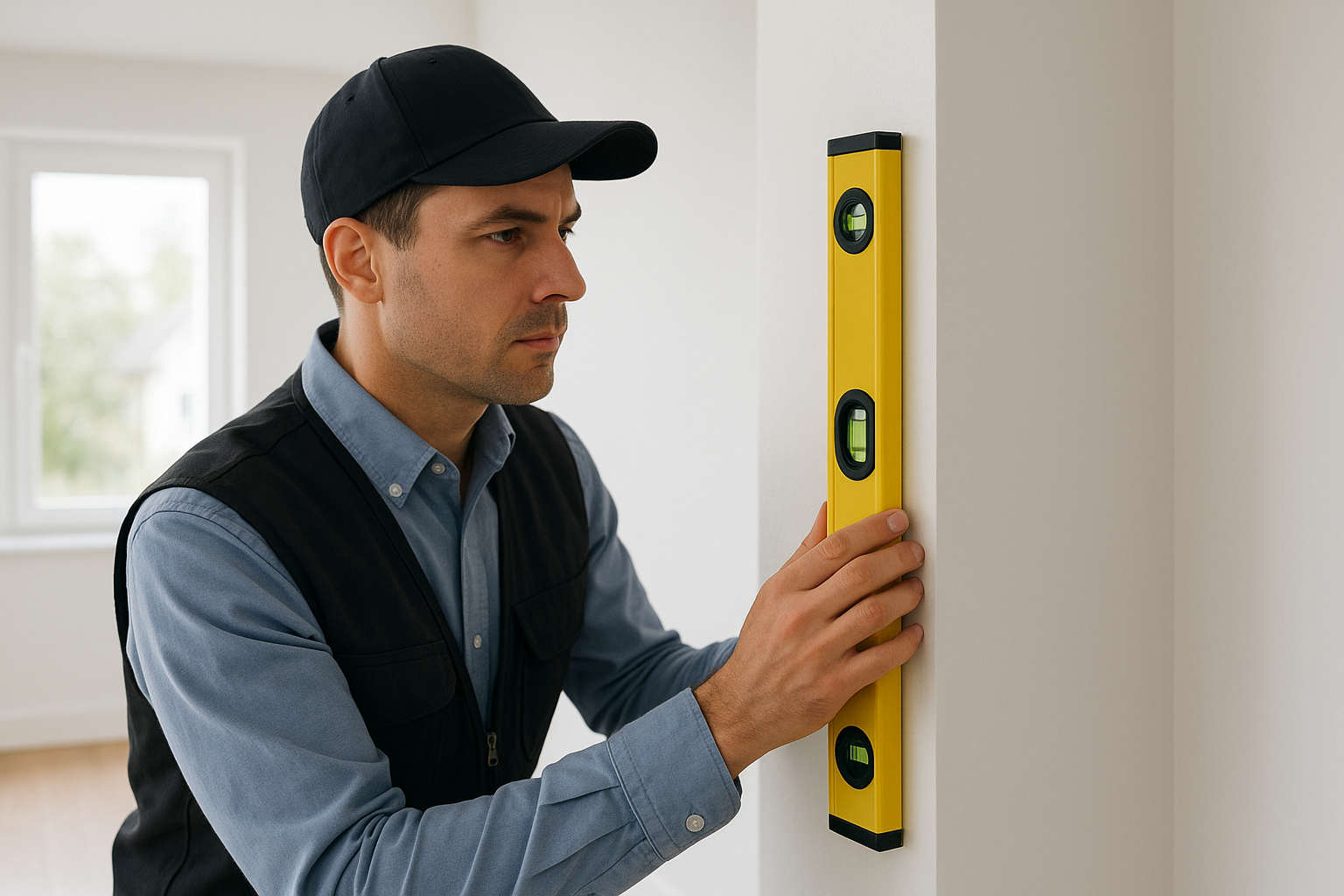
Checking plumb with a level helps confirm whether a wall has shifted structurally.
Frequently Asked Questions About Structural Wall Inspection
What is a structural wall inspection?
A structural wall inspection is an assessment of a home’s load-bearing and non-load-bearing walls to find cracks, bowing, leaning, or moisture damage that could signal foundation or framing problems. It focuses specifically on wall stability rather than cosmetic finishes.
How much does a structural wall inspection cost?
A standalone inspection typically costs between $300 and $700, though prices vary by home size and region. If a licensed structural engineer is brought in for a detailed report, fees can run higher.
How long does a structural wall inspection take?
Most inspections take one to three hours depending on the home’s size and the number of concerning areas found. Larger homes or properties with multiple crack sites may require follow-up visits.
What are the warning signs I need one?
Diagonal or stair-step cracks, sticking doors and windows, visibly leaning walls, and gaps between walls and ceilings are common red flags. Sticking doors combined with new wall cracks are especially worth investigating promptly.
Can I perform a DIY structural wall check?
Homeowners can watch for obvious cracks or unevenness, but a DIY check cannot replace a trained inspector’s tools and experience. Misjudging a minor cosmetic crack versus a structural one is a common and costly mistake.
What is the difference between a structural inspection and a general home inspection?
A general home inspection covers the whole property broadly, while a structural wall inspection digs deeper into framing, load paths, and foundation-related wall movement. Inspectors often recommend the specialized inspection after spotting concerns during a general visit.
Who should order the inspection, buyer or seller?
Either party can request one. Buyers typically order it during due diligence, while sellers sometimes commission a pre-listing version to address issues before marketing the home.
What tools do inspectors use to check walls?
Inspectors commonly use levels, moisture meters, crack gauges, and sometimes laser measuring tools to track wall plumb and movement over time. Some also use borescopes to view inside wall cavities when needed.
Are hairline cracks always a structural concern?
No, hairline cracks are often cosmetic and caused by normal settling or drywall shrinkage. However, cracks wider than a quarter inch or that grow over time deserve professional evaluation.
How often should rental properties get wall structure inspections?
Property managers generally schedule a structural check every two to three years, or sooner after extreme weather or seismic activity. Periodic inspections help catch problems before they escalate into expensive repairs.
What happens if structural damage is found?
The inspector documents the damage with photos and measurements and typically recommends consulting a licensed structural engineer for repair design. Buyers can use this report to renegotiate price or request repairs before closing.
Does homeowners insurance cover structural wall repairs?
Coverage depends on the cause; sudden events like storms or fires are often covered, while gradual settling or poor maintenance usually are not. Reviewing the policy language with an agent is the best way to confirm coverage before filing a claim.
Have more questions about what’s included in a home visit? Visit our FAQs page for additional details on scope, scheduling, and reporting.
Final Thoughts
In summary, a structural wall inspection is one of the most valuable steps a buyer, seller, or property manager can take before committing to a deal. It separates harmless cosmetic cracking from genuine foundation movement, and it gives everyone involved a documented, factual basis for next steps. Because structural repairs can range from a few thousand dollars to tens of thousands, catching issues early through a proper structural wall inspection protects both your budget and your peace of mind.


