
An HVAC system inspection examines a home’s heating, ventilation, and air conditioning equipment to confirm that it operates safely and efficiently before a sale, lease, or seasonal changeover. Because heating and cooling equipment represents one of the most expensive systems in any house, buyers, sellers, and property managers across the Bay Area rely on this step to avoid costly surprises. In addition, lenders and real estate agents often ask for this information before finalizing a transaction. This guide explains exactly what the inspection covers, how it works, and why it matters.
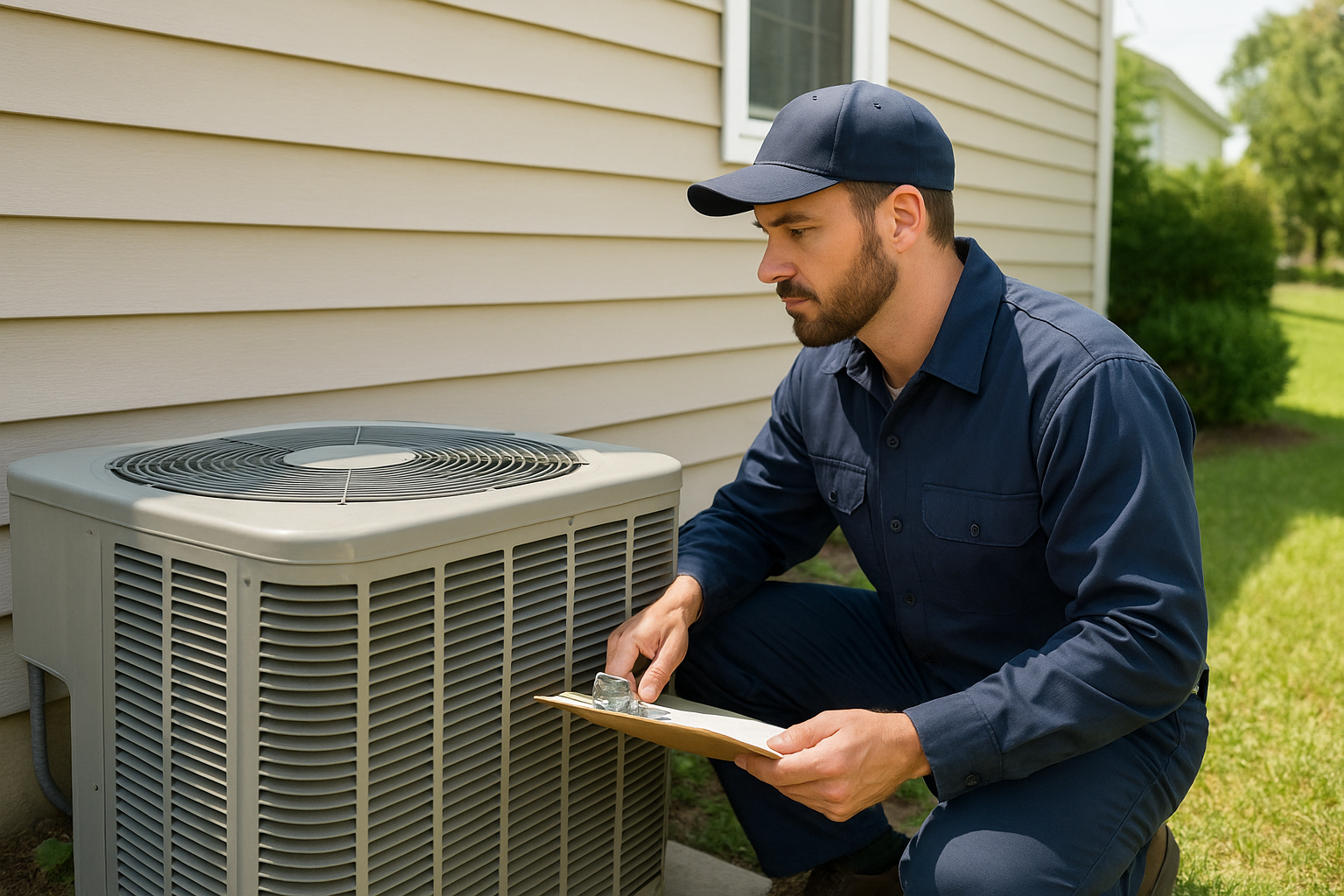
A thorough HVAC system inspection includes a close look at the outdoor condenser unit.
What Is an HVAC System Inspection?
An HVAC system inspection is a visual and functional check of a home’s heating, cooling, and ventilation equipment. The inspector tests how the system responds to the thermostat, looks for signs of wear or damage, and notes safety concerns without disassembling sealed components.
Specifically, the term HVAC stands for heating, ventilation, and air conditioning. In other words, it covers everything from the furnace in the basement to the vents in the ceiling. According to the U.S. Department of Energy, heating and cooling account for nearly half of a typical home’s annual energy use, which is one reason this part of the inspection carries so much weight.
Why Does an HVAC Inspection Matter for Buyers and Sellers?
For buyers, an HVAC inspection reveals whether the system is nearing the end of its service life or already showing trouble signs. As a result, buyers can negotiate repairs or a price adjustment before closing instead of discovering issues after move-in. For sellers, meanwhile, a pre-listing HVAC inspection helps avoid last-minute surprises that could delay escrow.
Real estate agents also benefit from this information. Consequently, many agents recommend an inspection early in the process so that negotiations proceed smoothly. Agents working with buyers or sellers can review guidance built specifically for their role on the real estate agents corner page.
What Does an HVAC System Inspection Include?
A thorough HVAC system inspection covers several components rather than a single unit. Below is what inspectors typically examine during a standard visit.
Heating Equipment
Inspectors check the furnace or heat pump, including the burner assembly, heat exchanger, and blower motor. Furthermore, they listen for unusual sounds and look for soot, rust, or cracked components that could signal a safety hazard.
Cooling Equipment
The outdoor condenser and indoor evaporator coil receive close attention. In particular, inspectors note refrigerant line insulation, debris buildup, and whether the compressor cycles smoothly when the system turns on.
Ventilation and Ductwork
Ductwork, vents, and filters also fall under review. Because poor airflow can point to leaks or blockages, inspectors often check register temperatures in multiple rooms to compare performance throughout the house.
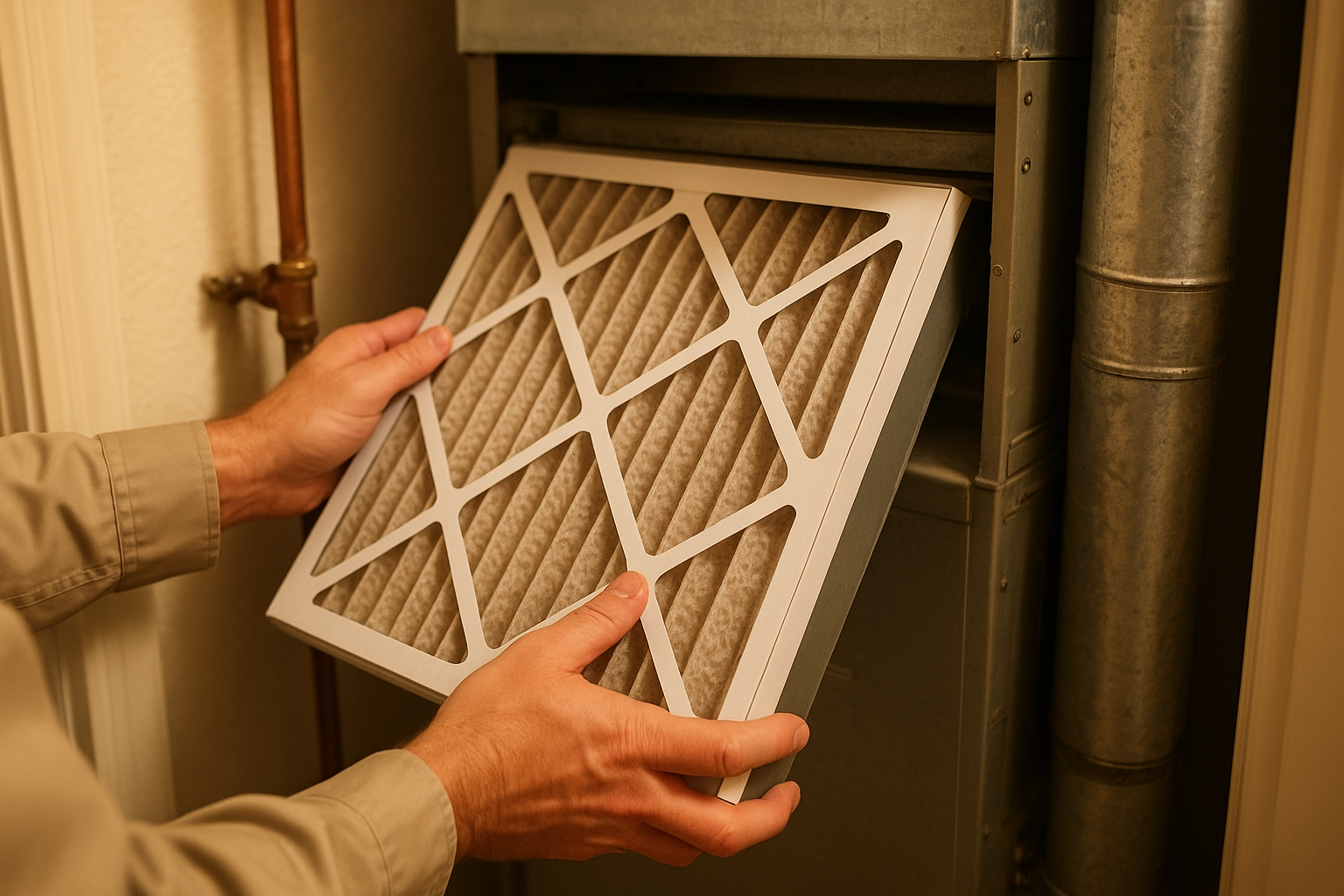
Checking the furnace filter is a routine part of every HVAC system inspection.
How Inspectors Perform a Heating and Cooling Inspection
Although the process varies slightly by inspector, most heating and cooling inspections follow a consistent sequence. The numbered steps below outline the typical approach.
- Review the thermostat and controls. The inspector sets the system to heating and cooling modes, checks response time, and notes any error codes on the control panel.
- Inspect the furnace or air handler. This includes examining the burner, heat exchanger, filter, and blower for corrosion, dirt buildup, or unusual noise during operation.
- Check the outdoor condenser unit. The inspector looks for damaged refrigerant line insulation, debris around the coils, and proper clearance around the unit.
- Examine ductwork and vents. Accessible ducts are traced for disconnections or leaks, and airflow is measured at several supply registers.
- Test safety and shutoff controls. Emergency shutoffs, condensate drains, and nearby carbon monoxide detectors are checked for proper function.
- Document findings and estimate lifespan. The inspector records equipment age, data plate details, and visible wear to help with future planning.
Buyers who want a closer look at how this fits into a full property evaluation can review the buyer’s inspection process in more detail.
Common HVAC Problems Found During Home Inspections
Certain issues tend to appear again and again during HVAC inspections. For instance, clogged filters restrict airflow and reduce efficiency over time. Similarly, rusted components and refrigerant leaks often point to equipment nearing the end of its useful life.
Other frequent findings include thermostats that fail to trigger a response, disconnected ductwork hidden in attics or crawlspaces, and uneven temperatures between rooms. Above all, inspectors flag anything that suggests a carbon monoxide risk, since this is a safety priority rather than a performance concern.
How Much Does an HVAC Inspection Cost and How Long Does It Take?
In most cases, HVAC review is included in the price of a general home inspection, which typically takes two to three hours for an average-sized home. The HVAC portion itself usually takes 20 to 45 minutes. However, if an inspector recommends a follow-up with a licensed HVAC contractor, that specialist visit often costs between $150 and $400 depending on system size and local rates.
For a detailed breakdown of pricing and scheduling, visit the frequently asked questions page, which covers common cost and timing questions across all inspection types.
Who Needs an HVAC Inspection?
Home buyers clearly benefit, since the inspection informs negotiation and budgeting decisions. Sellers also gain an advantage by addressing problems proactively. In addition, property managers overseeing single or multiple rental units rely on periodic HVAC checks to avoid tenant complaints and emergency repair calls.
Rental property owners in particular should schedule inspections during move-in, move-out, and routine periodic visits. The rental property inspections service covers this exact need for landlords managing properties across Alameda, Contra Costa, Solano, and San Joaquin counties.
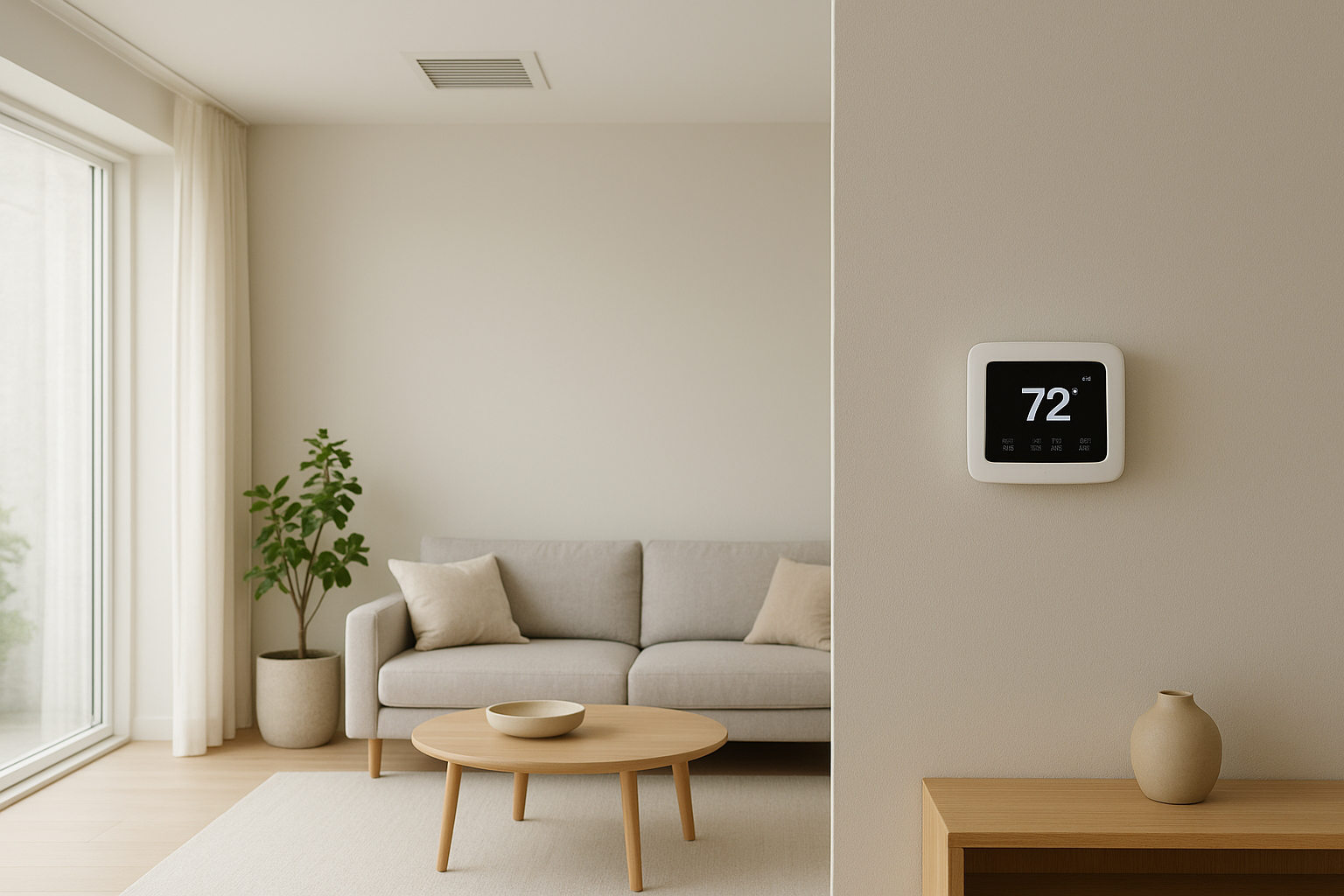
Testing the thermostat response is one of the first checks in any HVAC system inspection.
Choosing the Right Home Inspector for HVAC Systems
Not every inspector approaches HVAC review the same way, so experience matters. Therefore, it helps to work with an inspector who understands regional housing stock, from older East Bay homes with aging ductwork to newer builds with high-efficiency systems. 21st Century Home Inspection evaluates heating, cooling, and ventilation as part of a broader review that also covers foundations, roofs, electrical panels, plumbing, and structural elements throughout the Greater Bay Area and East Bay region.
To see the full scope of services offered, including specialty inspections, visit the complete inspection services overview. You can also learn more directly at 21centuryhomeinspection.com or review independent guidance on home systems from resources such as the EPA’s indoor air quality guidance.
For general background on how these systems work, the Wikipedia overview of HVAC offers useful technical context, while the U.S. Department of Energy’s heating and cooling page explains efficiency standards in more depth.
Frequently Asked Questions About HVAC System Inspection
What is an HVAC system inspection?
An HVAC system inspection is a visual and functional review of a home’s heating, ventilation, and air conditioning equipment. It checks whether the furnace, air conditioner, ductwork, and controls operate safely and as intended.
How long does an HVAC inspection take?
A standard HVAC inspection usually takes 20 to 45 minutes as part of a full home inspection. It may take longer if the inspector finds issues that require closer examination.
How much does an HVAC inspection cost?
When bundled into a general home inspection, HVAC review is typically included in the base fee. A standalone specialist evaluation from an HVAC contractor usually costs between $150 and $400 depending on system size and region.
What do home inspectors check during an HVAC inspection?
Inspectors check the thermostat, furnace or air handler, condenser unit, ductwork, filters, and safety controls. They also note the equipment age and any visible corrosion, leaks, or unusual noises.
Is an HVAC inspection the same as HVAC maintenance?
No, they are different services. An inspection documents the current condition of the system without making repairs, while maintenance involves cleaning, tuning, and servicing the equipment.
Can a home inspector tell if an HVAC system needs replacement?
A home inspector can flag signs of age, poor performance, or safety concerns that suggest replacement may be near. However, a licensed HVAC technician should confirm the diagnosis before major repair decisions are made.
What are common HVAC problems found during inspections?
Common findings include clogged filters, rusted components, refrigerant line damage, disconnected ductwork, and thermostats that fail to trigger heating or cooling cycles. Uneven airflow between rooms is another frequent issue.
Why should sellers get an HVAC inspection before listing?
A pre-listing HVAC inspection helps sellers identify and address problems before buyers negotiate price reductions. It also builds buyer confidence and can speed up the closing process.
Do rental properties need HVAC inspections?
Yes, rental property owners benefit from periodic HVAC inspections to catch wear before it causes tenant complaints or emergency repairs. Move-in and move-out inspections also document system condition between leases.
What is the average lifespan of a home HVAC system?
Most residential furnaces and air conditioners last 15 to 20 years with regular maintenance. Lifespan varies based on usage, climate, installation quality, and how consistently the system was serviced.
What mistakes do homeowners make when scheduling an HVAC inspection?
A common mistake is skipping the inspection because the system seems to run fine on the surface. Another is waiting until closing day, which leaves little time to negotiate repairs if problems surface.
Should I get a separate HVAC specialist inspection in addition to a general home inspection?
For older systems or homes with signs of HVAC trouble, a follow-up evaluation from a licensed HVAC contractor is a reasonable next step. General home inspectors assess visible condition but do not disassemble equipment the way a specialist can.
Can weather affect an HVAC system inspection?
Extreme temperatures can limit how thoroughly an inspector tests heating or cooling cycles. For example, testing air conditioning in very cold weather may not reliably reveal performance issues.
Final Thoughts
Ultimately, an HVAC system inspection protects buyers, sellers, and property managers from unexpected repair costs and safety risks. Because heating and cooling equipment represents such a significant investment, skipping this step rarely pays off. Instead, scheduling a thorough review as part of a full home inspection gives everyone involved a clear picture of what to expect before move-in day arrives.



