
A cooling system inspection is one of the most valuable parts of any home inspection, especially across the warm Bay Area summers common in Alameda, Contra Costa, Solano, and San Joaquin counties. Whether you are buying, selling, or managing a rental, understanding how your air conditioning equipment is evaluated can save you from costly surprises after move-in. This guide walks through what happens during the inspection, what inspectors look for, and how to get the most accurate results.
Quick answer: A cooling system inspection is a visual and functional check of your home’s air conditioning unit, ductwork, and thermostat performed to confirm the equipment works, estimate its remaining lifespan, and flag safety or efficiency concerns before a sale, purchase, or lease.
What Is a Cooling System Inspection?
A cooling system inspection examines the components that keep a home comfortable during hot weather: the outdoor condenser, indoor evaporator coil, refrigerant lines, ductwork, and thermostat controls. Unlike a full HVAC service call, however, it does not involve opening sealed refrigerant systems or disassembling equipment. Instead, a licensed home inspector performs a visual and operational check similar to the process described by the American Society of Home Inspectors, which outlines standard practice for evaluating major home systems.
Because this evaluation happens alongside checks of the roof, foundation, electrical panel, and plumbing, it gives buyers and sellers a complete picture of a property’s condition in one visit.
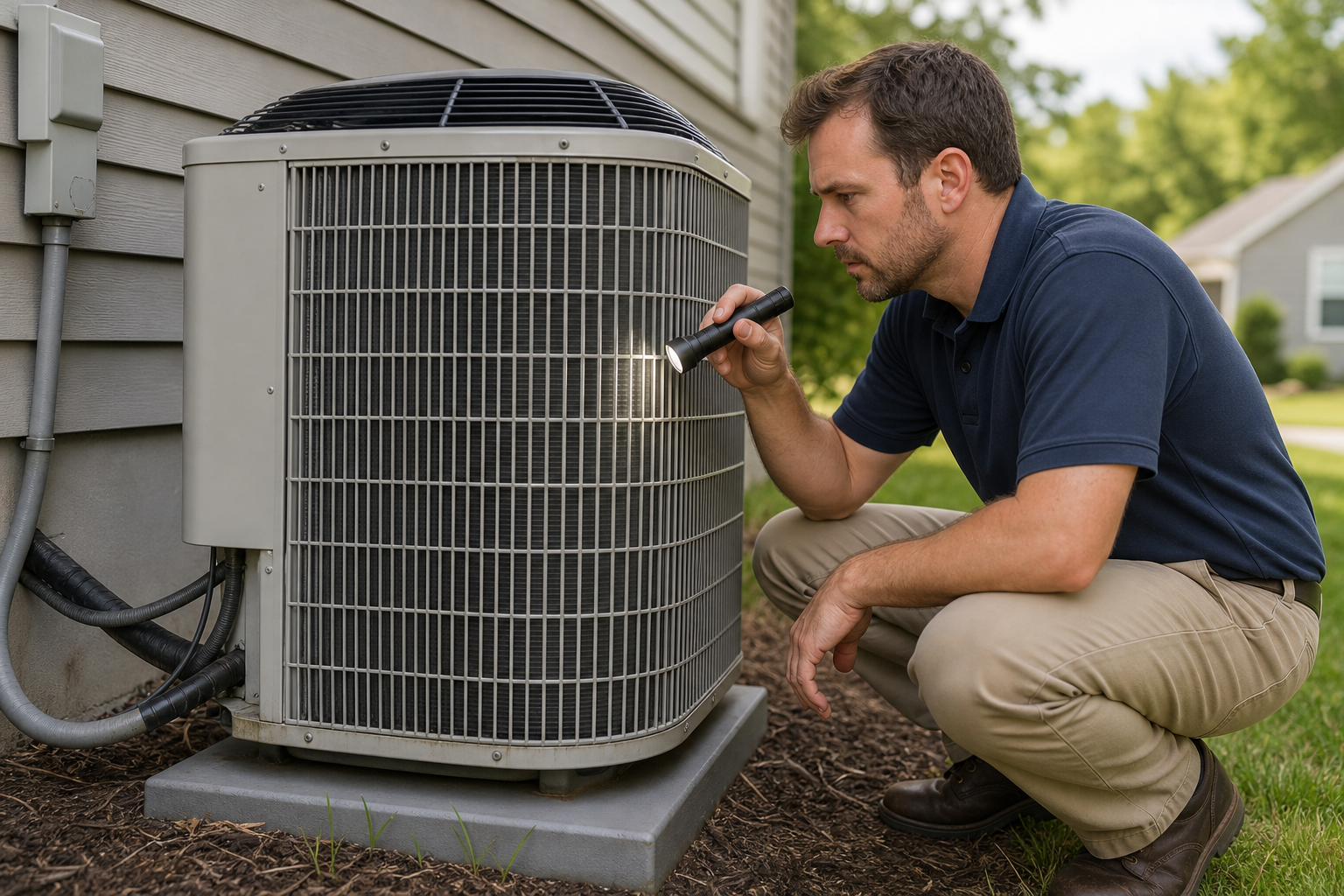
A thorough cooling system inspection starts with a close look at the outdoor condenser unit.
Why an Air Conditioning Inspection Matters for Buyers and Sellers
For buyers, a failing cooling system can mean an unexpected repair bill of several thousand dollars soon after closing. As a result, many buyers use inspection findings to negotiate repair credits or price adjustments. For sellers, meanwhile, scheduling a seller’s pre-listing inspection ahead of putting a home on the market helps surface issues early, so they can be fixed or disclosed before buyers submit offers.
Real estate agents also rely on these reports to set realistic expectations with clients. In fact, our real estate agent’s corner resource explains how inspection timing can affect negotiation strategy throughout a transaction.
According to data from the U.S. Department of Energy’s ENERGY STAR program, residential cooling equipment typically lasts 12 to 15 years before efficiency drops significantly. Consequently, knowing a unit’s age during an inspection helps buyers budget for eventual replacement rather than being caught off guard.
What Does an HVAC Cooling Inspection Include?
A thorough inspection covers several specific components. Below is a breakdown of what most inspectors review during a standard cooling system inspection.
| Component | What’s Checked |
|---|---|
| Outdoor condenser | Rust, debris, fin damage, clearance, electrical connections |
| Evaporator coil & filter | Dirt buildup, airflow restriction, visible mold |
| Thermostat | Response time, accuracy, cycling behavior |
| Ductwork | Visible leaks, insulation condition, connections |
| Vent temperature | Temperature differential between supply and return air |
Step-by-Step: How Inspectors Evaluate Your Cooling System
Although every inspector has a personal routine, most follow a similar sequence to keep the evaluation consistent and repeatable. Here is the general process.
- Review system age and documentation. The inspector checks the manufacturer label on the outdoor condenser to record the brand, model, and approximate installation year, which helps estimate remaining service life.
- Inspect the outdoor condenser unit. The inspector examines the condenser for rust, bent fins, debris, vegetation clearance, and secure electrical connections before testing operation.
- Check the indoor evaporator coil and filter. The inspector looks at the accessible evaporator coil and air filter for dirt buildup, mold growth, or restricted airflow that can reduce cooling efficiency.
- Test the thermostat response. The inspector sets the thermostat to call for cooling and confirms the system responds promptly, cycles correctly, and reaches the target temperature without excessive delay.
- Measure temperature differential at vents. Using a thermometer, the inspector compares air temperature at a return vent against a supply vent to confirm the system cools effectively within an expected range.
- Document findings and recommendations. The inspector records photos, notes any defects in the written report, and recommends further evaluation by a licensed HVAC contractor if serious issues appear.
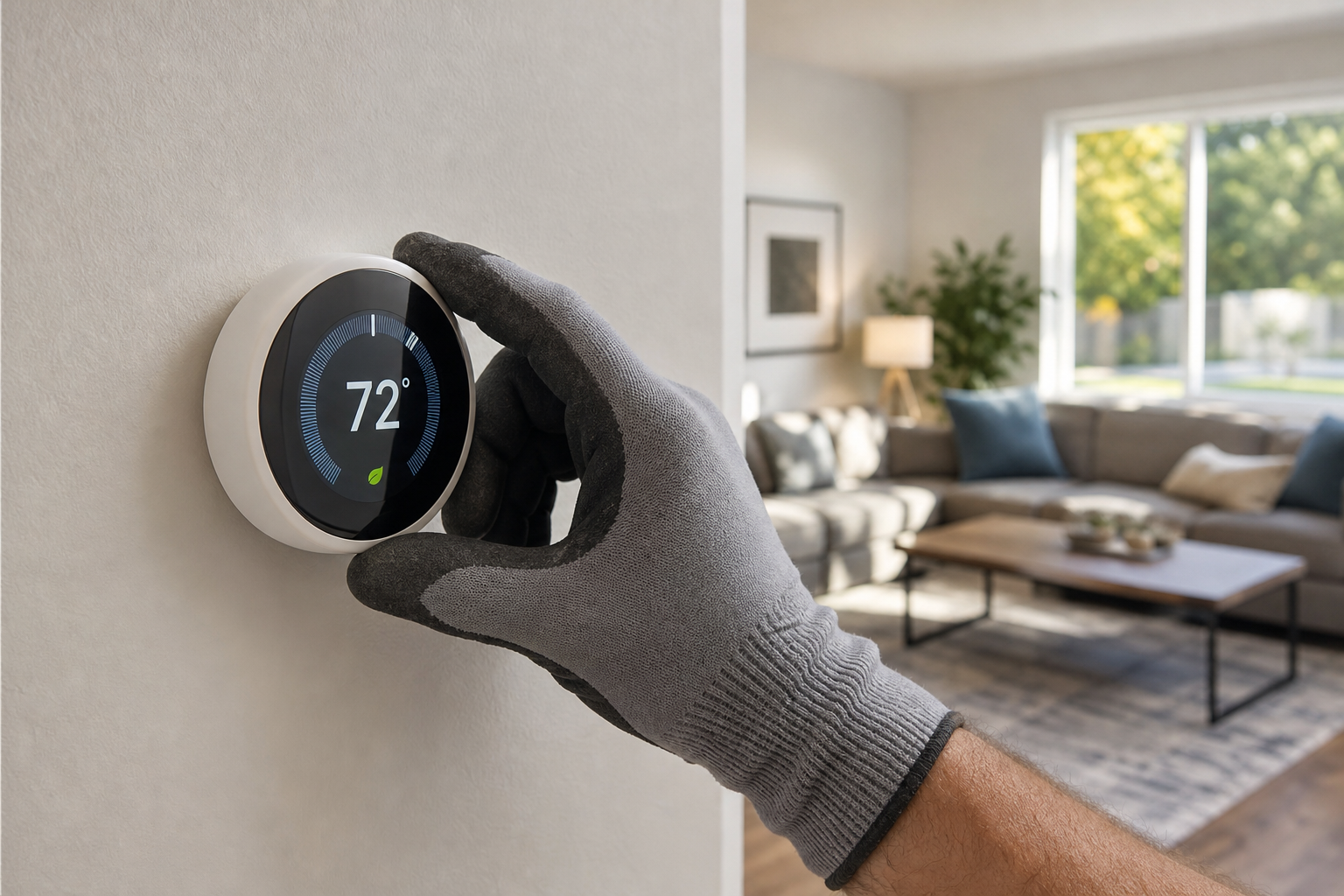
Testing thermostat response is a key part of confirming the cooling system actually works as expected.
Common Cooling System Problems Found During Inspections
Certain issues show up again and again during a cooling system evaluation. For instance, dirty filters and clogged coils are the most frequent findings, since they quietly reduce airflow and efficiency over time. Similarly, inspectors often spot rusted condenser fins or bent fins from pressure washing, which restrict heat exchange.
In older homes, undersized or leaking ductwork is another common culprit behind uneven cooling between rooms. Weak capacitors, meanwhile, can cause a unit to struggle on startup, producing a humming sound without the fan engaging. Because these problems are often fixable, catching them early through an inspection can prevent a minor issue from turning into a full system failure.
Most residential air conditioning systems are designed to last 12 to 15 years with regular maintenance, according to ENERGY STAR guidance, making age a key data point during any cooling system inspection.
How Much Does a Cooling System Inspection Cost?
Typically, a cooling system check is bundled into the price of a full home inspection rather than billed separately. A whole-home inspection, which covers the roof, foundation, electrical, plumbing, and cooling system together, generally costs between $350 and $600 depending on square footage and location. In contrast, hiring an HVAC contractor for a standalone diagnostic visit can run $100 to $250.
Buyers using a buyer’s inspection package typically get the cooling system review included at no extra charge, which makes it one of the more cost-effective ways to evaluate equipment condition before closing.
Cooling System Inspection for Rental Properties
Property managers face a different set of priorities than individual homeowners. Specifically, rental units need regular documentation to track wear across tenants and avoid disputes over maintenance responsibility. A dedicated cooling check at move-in, move-out, and during periodic visits creates a clear condition record over time.
Our rental property inspections service covers this exact need, combining safety and compliance checks with equipment condition reports across single units or larger multi-unit portfolios throughout the East Bay.
Tips to Prepare for Inspection Day
A few simple steps before the inspector arrives can lead to a more accurate assessment. First, replace the air filter if it looks dirty, since a clogged filter can mimic bigger airflow problems. Second, clear leaves, grass clippings, and stored items away from the outdoor condenser so it can be fully examined.
Additionally, make sure the thermostat and electrical panel are easily accessible, as locked closets or blocked panels can prevent a complete check. Finally, if the system has a known history of repairs, having service records on hand gives the inspector useful context. For more general preparation guidance, our FAQs page covers what to expect on inspection day across every major home system.
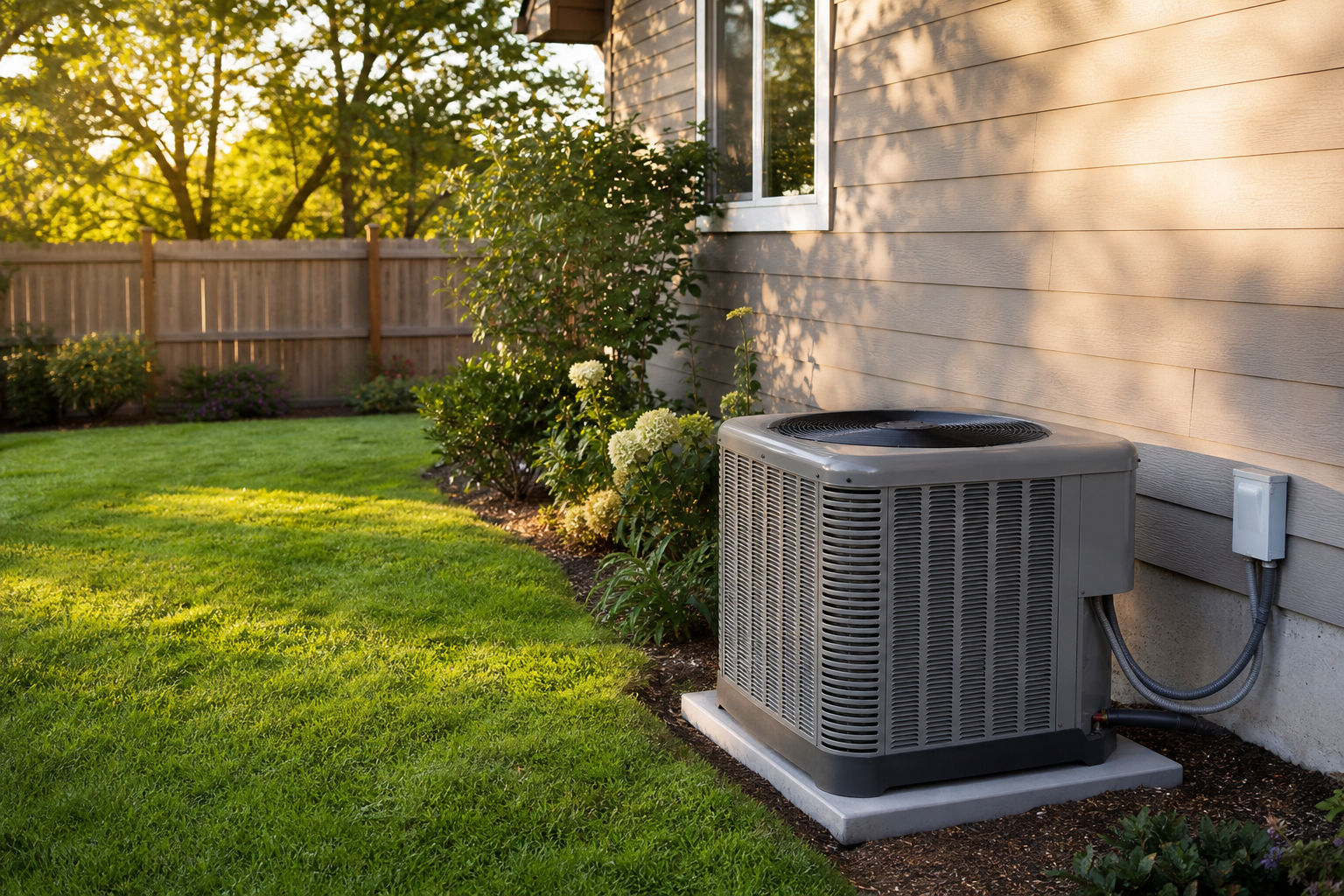
Clearing debris around the outdoor unit helps inspectors get full access during the visit.
Frequently Asked Questions About Cooling System Inspection
What is a cooling system inspection?
A cooling system inspection is a visual evaluation of a home’s air conditioning equipment, ductwork, and controls to check age, condition, and basic function. It is typically performed during a general home inspection for buyers, sellers, or rental properties.
How long does a cooling system inspection take?
Most inspectors spend 20 to 40 minutes evaluating the cooling system as part of a broader two to four hour whole-home inspection. Older or more complex systems with multiple zones may take longer to review.
How much does a cooling system inspection cost?
A cooling system inspection is usually included in a full home inspection, which often ranges from $350 to $600 depending on home size and location. A standalone HVAC-only inspection from a licensed contractor can cost $100 to $250.
What does an inspector check during an AC inspection?
Inspectors check the condenser, evaporator coil, refrigerant lines, thermostat response, filters, and visible ductwork. They also note the unit’s age, rust, unusual noises, and temperature differential at supply vents.
Is a cooling system inspection the same as an HVAC inspection?
Not exactly. A cooling system inspection focuses specifically on air conditioning components, while an HVAC inspection also covers heating equipment such as furnaces, heat pumps, and ventilation.
Can a home inspector test refrigerant levels?
Generally, no. General home inspectors assess visible condition and performance but do not open sealed refrigerant systems, since that requires EPA-certified HVAC technicians with specialized equipment.
Why does a cooling system inspection matter when buying a home?
A cooling system inspection matters because replacing a failed AC unit can cost thousands of dollars, and buyers need that information before closing. It also gives leverage for repair credits or price negotiation.
What are common problems found during a cooling system inspection?
Common findings include dirty filters, weak airflow, rusted condenser fins, worn capacitors, and units that are near or past their expected 12 to 15 year lifespan. Inspectors also sometimes find improperly sized or poorly maintained ductwork.
How often should a cooling system inspection be done?
Beyond real estate transactions, it is wise to have a cooling system inspection or tune-up once a year, usually in spring before heavy summer use begins. Rental property owners often schedule it during tenant turnover.
Do rental properties need a separate cooling system inspection?
Yes, rental property inspections often include a dedicated cooling system check at move-in, move-out, and periodically during tenancy to document condition and catch maintenance issues early.
What should homeowners do before an inspection day?
Homeowners should replace the air filter, clear debris around the outdoor unit, and make sure the thermostat and breaker are accessible. This allows the inspector to test the system under normal operating conditions.
Can a seller’s pre-listing inspection include the cooling system?
Yes, a seller’s pre-listing inspection typically includes the cooling system so issues can be addressed before buyers submit offers, which often reduces negotiation surprises later.
Will an inspector tell me if the AC unit needs replacement?
Inspectors will note age, visible wear, and performance issues and may recommend evaluation by an HVAC contractor, but the final replacement decision usually requires a specialist’s detailed diagnosis.
Final Thoughts on Scheduling Your Cooling System Inspection
Ultimately, a cooling system inspection gives buyers, sellers, and property managers a clear, documented picture of how well a home’s air conditioning will hold up. Because equipment failures tend to happen at the worst possible time, like the peak of a summer heat wave, catching problems early through a professional inspection protects both comfort and budget. Whether you need a buyer’s inspection before closing, a pre-listing check before going on market, or recurring rental property inspections, scheduling a thorough cooling system inspection remains one of the smartest steps in any Bay Area real estate transaction. Visit 21centuryhomeinspection.com to learn more about coverage across Alameda, Contra Costa, Solano, and San Joaquin counties.



